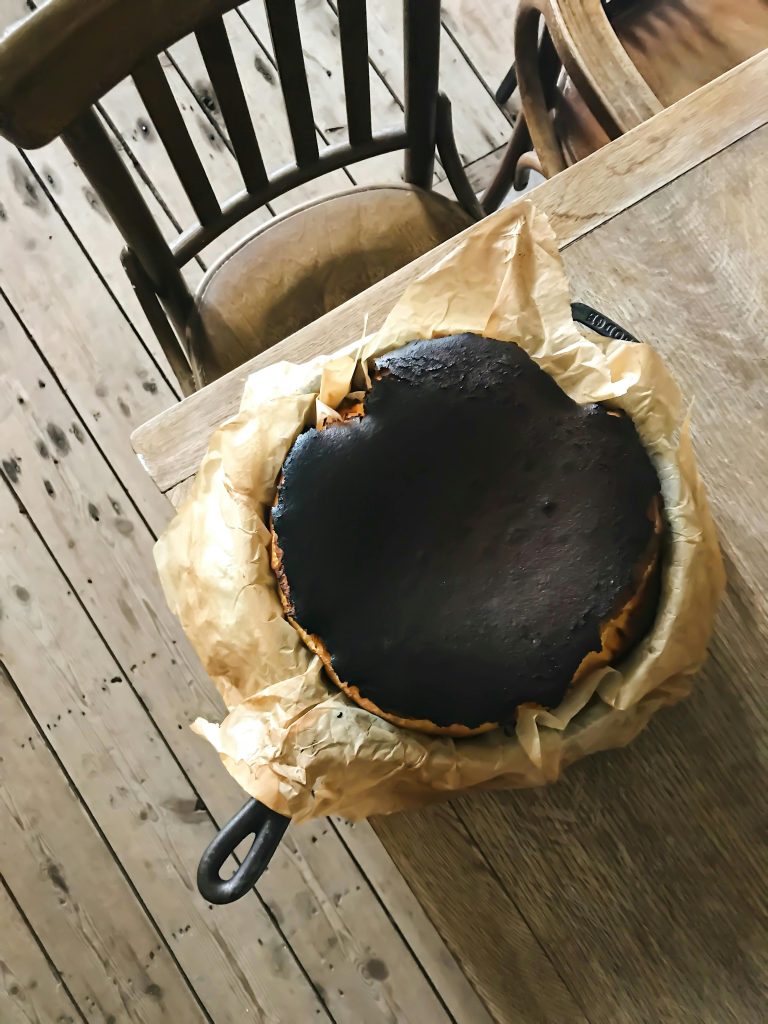
You followed the recipe. You fed your starter. You waited like a patient person. And then you pulled a dense, gummy, slightly tragic loaf out of the oven and just stood there staring at it.
I have done this more times than I would like to admit. There is something about lifting the lid of a Dutch oven that feels hopeful. Like maybe this time it will spring up beautifully. Sometimes it does. Sometimes it looks like a squat little brick that could double as a doorstop (ask me how I know).
Most sourdough problems come back to the same few things. An inactive starter. Not enough fermentation. Shaping that was more hopeful than firm. Baking that was just a bit off. It sounds technical when you list it like that. In reality it usually feels like flour on your elbows at six in the morning and a loaf that refuses to cooperate.
A Dense Crumb That Feels Like a Brick
A dense loaf with a tight crumb is common. Sourdough bread is often dense when a weak starter is used. An unripe starter does not have enough lactic acid bacteria and yeast cells to produce the gas required to raise the loaf. If your starter is not active enough, it simply cannot lift the dough.
Before using your starter, it should be visibly bubbly and have roughly doubled since its last feeding. It should pass the float test. A sourdough starter will peak somewhere between 4 and 12 hours after it is fed. When making bread, it is best to use your starter as it reaches the peak of its rise. If you let it deflate and use it anyway, yeast activity decreases and the loaf turns heavy.
Underfermentation is the number one cause of dense sourdough. If the dough does not ferment long enough during bulk fermentation, the gluten network is not strong enough and the yeast has not produced enough gas to create a lighter crumb. Bulk fermentation should take between 4 to 7 hours, depending on how much starter you are using and the temperature of your kitchen. The dough should roughly double in size and show bubbles throughout before shaping. Somewhere between 20 to 50 percent rise is generally accepted.
The fermentation process develops flavour and a gluten network that can stretch. You can use the windowpane test. Stretch the dough between your fingers. The dough should stretch thin without tearing and become translucent. When it does, it feels elastic and alive under your hands. When it does not, it feels tired. I have shaped it anyway before. It rarely rewards that decision.
Flour also matters. Bread flour with 12 to 14 percent protein builds stronger gluten than all purpose flour with 10 to 12 percent. If the flour is low protein and low quality, the gluten strands can break down during proofing and the dough can collapse. You can sift flour to remove bran if you are using whole grain, since bran can tear gluten strands. You can also soak flour in water before mixing the dough. The autolyse or soaker method helps whole wheat soften and behave.
Temperature is quiet but powerful. A 68°F kitchen ferments much slower than a 78°F kitchen. If the dough is too cool, it rises slowly and sometimes not enough. Around 75°F or 24°C is a helpful guide. I have learned this the hard way in winter when the dough sits there looking unimpressed.
Flat Loaves That Refuse to Rise
A flat loaf, sometimes called a hockey puck, is usually about the starter, the shaping, or both. A weak or underfed starter can cause it. Overproofing during bulk or final rise can also do it. Not enough gluten development. Too much hydration for the flour you are using.
Shaping is about creating surface tension on the outside of the loaf. A tight skin helps the loaf hold its structure as it proofs and bakes. If shaping is loose, the loaf spreads sideways instead of rising upward. If the dough is very gassy at the end of bulk fermentation, the second rise needs to be shorter. Overdevelopment can also damage gluten proteins and cause collapse.
The poke test is simple. Press a floured finger about half an inch into the dough. A properly proofed dough springs back slowly and partially. If it stays dented and feels weak, it is overproofed. I still poke it sometimes even when I know the answer, as if the dough might change its mind.
Proofing inside a banneton for 2 to 24 hours depends on your starter and your kitchen temperature. Watching the dough is more useful than watching the clock, though I still glance at the clock anyway.
Gummy Inside
The crust can look beautiful and the inside can still be wet and sticky. That gummy texture is usually about timing.
Cutting too soon is the most common cause. When bread comes out of the oven, the interior is full of steam and the starch has not fully gelatinized. Cooling allows the crumb to set and moisture to escape. Let the loaf cool for at least 1 to 2 hours. Better yet, 2 to 3 hours on a rack. I know it is hard. I have sliced early and regretted it while chewing.
Underbaking also leads to gumminess. The internal temperature should reach at least 205 to 210°F or 96 to 99°C. Bake longer and check. Steam retention helps with oven spring, and Dutch ovens trap steam well. Sometimes the loaf just needs a few more minutes than you think.
Too much moisture can also lead to a dense and gummy crumb. Slightly reducing hydration can help if the bread consistently feels wet inside.
Too Sour or Not Sour Enough
Sourness comes from acetic acid. The balance between lactic acid, which is milder, and acetic acid, which is sharper, depends on temperature and fermentation time.
Long cold fermentation and a high percentage of starter can make bread overly sour. If your bread is too sour, ferment at a slightly warmer temperature between 76 and 80°F and shorten fermentation. Reduce the starter amount by 10 to 20 percent. Feeding your starter more frequently keeps it milder.
If you want more tang, lower the fermentation temperature and extend the process. Cold fermentation in the refrigerator for 24 to 36 hours usually increases sourness. Whole grain flour can also add flavour because the bran feeds the bacteria more actively.
Learning to Read the Dough
Sourdough is less about rigid timing and more about paying attention. The feel of the dough. The way it rises. The smell when you lift the bowl. It sounds simple. It is not always simple.
Do not change everything at once. Stick to the same recipe and adjust one variable at a time. Otherwise it becomes impossible to know what worked and what did not.
Every flat loaf and dense crumb is part of it. I have shared flops with friends who happily toasted them and covered them in butter. No one complained. The kitchen felt warm anyway.
The hardest part is learning to read the dough instead of the clock. That kind of attention does not come quickly. It builds slowly, like a starter on the counter that you feed and forget and feed again.
Some mornings the radio hums in the background, flour dust drifts onto the bench, and the dough rests under a tea towel that has seen better days. It is not perfect. It is rarely perfect. But when a loaf crackles as it cools and you hear that small sound in a quiet kitchen, it feels like enough.




Leave a Reply