Common Bread Baking Pitfalls

I’ve been baking bread long enough to know that the dough will always have its own ideas, no matter what the recipe promises. If you’ve ever pulled a stubborn, flat loaf from the oven, well, join the club. Honestly, I sometimes wonder if dough’s just here to teach us patience (and, every now and then, humility).

Let’s start with a little confession: I used to think measuring flour was a quick flick of the cup and off you go. Oh, how wrong I was, a kitchen scale is your best friend, but if you don’t have one (I managed for years with just spoons and hope), fluff up that flour first and level it gently—no packing it down, no matter how tempting. Bread flour, with its heartier protein content, really does make a difference for a chewy crumb, but I promise, I’ve managed plenty of decent loaves with plain old all-purpose on days I just couldn’t face another trip to the shops.

Now, yeast. My goodness, yeast can be a little diva. If it’s been lurking at the back of your pantry since last winter, do yourself a favour and check it’s still lively. I like my water “baby bath” warm, and having gone through my water filter (germophobe, I can’t help it). And please, keep salt and yeast apart at the start; I have repeatedly ruined whole batches, costing $100’s, by letting them cosy up too early.

Kneading can be a workout—good for the arms and, I suspect, the soul. Not enough and the dough sulks; too much and it turns into a stubborn brick. I always do the windowpane test: if you can stretch a bit of dough until light comes through without tearing, you’re on the right track. If not, well, time to knead a little more (and maybe grumble a little, too).

Proofing’s another old chestnut. On chilly mornings, my dough takes its sweet time, and I’ve learned not to rush it. If you poke the dough and it slowly springs back, you’re close. And don’t be afraid to jot down what you did, what worked, what flopped, progressive overload is a term mostly used in the gym, but apply it to your baking. Trust me, I’ve learned as much from my lopsided loaves as from my best ones.

Here is a quick summary for the people like myself who cannot extract info from bulky paragraphs:

  • Expect Surprises:
    Dough often ignores instructions, so patience is baked in.
  • Measuring Flour:
    Fluff and gently level your flour—no shortcuts.
  • Bread Flour Matters:
    Bread flour’s best, but I’ve used whatever’s handy.
  • Check Your Yeast:
    Always check your yeast’s in the mood to work.
  • Warm, Filtered Water:
    Use warm, filtered water if you can.
  • Salt and Yeast:
    Keep salt and yeast apart at first, or pay the price.
  • Kneading:
    Knead till the dough stretches thin without tearing.
  • Proofing:
    Let it rise on its own time; a slow spring-back poke means ready.
  • Track Progress:
    Note down wins and flops—every loaf teaches you something.

Bringing home skills from the bakery to the family kitchen

There’s a funny thing about bakery life, “it sticks to you”. LITERALLY. Not just the flour dust on your jumper or the smell of crusty loaves, but the habits. Maybe you started baking at home, but work a few years in a real bakery and you end up seeing your home kitchen a bit differently, even if you don’t mean to.

People think bakers just ice cakes and make a bit of sourdough, but that’s not how it works. There’s always something else to do. It starts with measuring. Not a “pinch” or a “splash” but weighing things, checking, double-checking, sometimes arguing with the scale. Now, when I cook at home, I reach for the scale even when I don’t need to. I check weights for flour in a banana bread, or for gravy.

Math turns up in other ways, too. Professional baking isn’t forgiving, you do not want to give the bread the oppurtunity to fuck around, cause it will. Get a sum wrong and you get lumpy cake or flat bread.

You need to know what things cost, how much you have, and what might go to waste. My home kitchen runs a little like the old bakery. If I see carrots turning limp in the bottom of the fridge, they end up in soup, or in a cake if I’m feeling bold. I check what’s on the shelf before I go shopping. I’m not saying I’m perfect at it, but I do try to use what’s there before it goes off.

Business sense sneaks into home cooking. The bakery taught me to keep tabs on ingredients, watch prices, and pay attention to waste. If there’s a pile of leftover bread, it becomes crumbs for schnitzel or pudding. It just feels wrong to throw things out, after watching every penny at work. Costing, stock, keeping an eye on what’s in the cupboard, that’s all from the bakery, and it comes in handy when I’ve got family round for Sunday lunch.

Safety is another one. You work a few years around hot ovens and sharp knives and you get into habits. I wash my hands after cracking eggs. I wipe benches down, make sure leftovers go away when they’re cool. There’s a certain way to stack things, to avoid someone getting burned or cut. It gets into your bones after a while. Nobody gets food poisoning from my kitchen, or at least not yet.(touch wood)

Problem solving is a baker’s curse and blessing. If something flops, you work out why. Was the oven too hot? Did I weigh the flour wrong? Sometimes the answer is obvious, sometimes not. I try again, maybe take a note on a scrap of paper (which I promptly lose). The point is, you don’t panic, and you don’t give up. Bakery work teaches you to keep going, fix what you can, and have a laugh about the rest. I’ve had cakes stuck to tins, bread that wouldn’t rise, even once left the sugar out of a batch of scones. Still gets a mention at family gatherings.

Teamwork comes home too. In the bakery, you have to get on with people, even if you’re tired or grumpy. At home, my family get roped in, someone stirs, someone tastes, and occasionally someone sweeps up the mess. If I see one of me nieces or nephews lounging around after enjoying one of my meals, I immediatly hire them (in love, not pay) to be apart of my crew (maybe I am just the crazy aunt)

Timing is something you can’t escape. At the bakery, you’re always watching the clock. Proofing, baking, cooling, all run to the minute. I find myself setting timers for pasta, keeping an eye on the roast, starting what takes the longest first. I’m not as sharp as I was at work, but the habit’s there. The job isn’t done until everything’s washed up. And it’s clique but CLEAN AS YOU GO.

Tools make a difference, too. I keep my knives sharp, use the right spatula for the job, and don’t crowd the bench. I don’t have the old bakery’s big mixer, but the wooden spoon still gets a workout. Family birthday cakes get the same care as a customer’s order, even if my piping isn’t what it used to be.

Creativity, though, might be the best thing I brought home. The bakery is where you learn to make do. If a recipe calls for cream and there’s only milk, you find a way. Sometimes I swap out chocolate chips for sultanas, or throw sunflower seeds in a loaf because they’re rolling around in the cupboard. You don’t have to follow the rules all the time, and the best meals sometimes come from trying something new, or fixing a mistake that went sideways.

“I suppose the best bakery skill is knowing there’s always more to learn, no matter how many loaves you’ve baked.”

Let’s keep the tradition going for summarising my blabber:


SUMMARY

  • Precise Measuring:
    Old bakery habits mean I weigh everything, even when it’s just banana bread or gravy.
  • Waste Not, Want Not:
    Leftovers rarely get binned—soft carrots find their way into soup, and stale bread becomes pudding or crumbs.
  • Watching Costs:
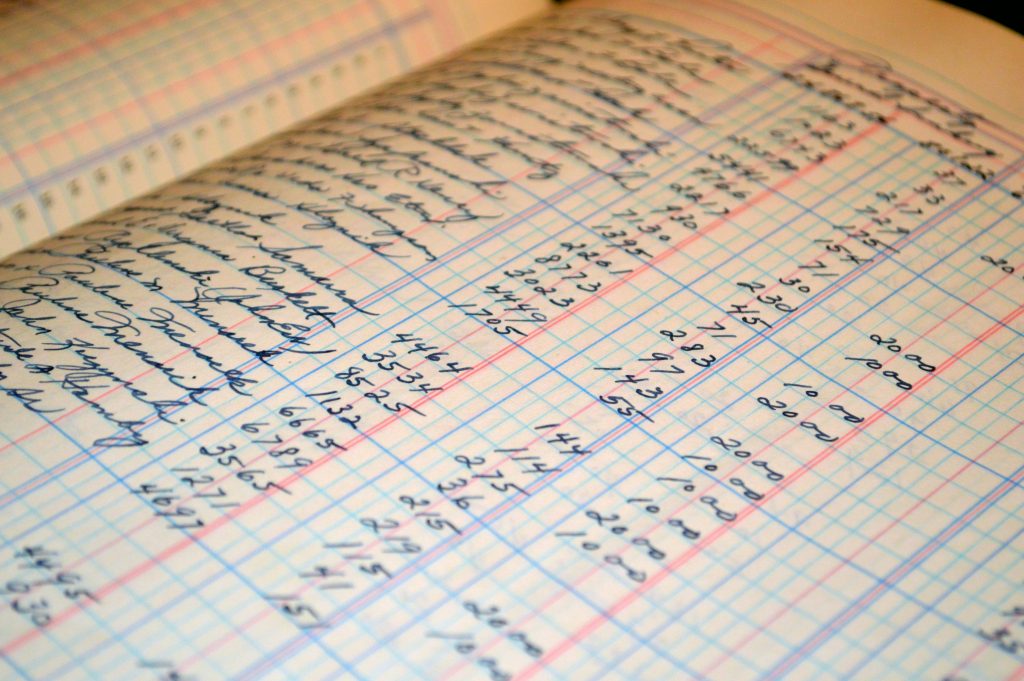
    I keep an eye on pantry stock and prices like there’s a ledger in the kitchen.
  • Kitchen Safety:
    Years of hot ovens mean I wash hands, wipe benches, and stack things so no one ends up burned or sick.
  • Problem Solving:
    Flops happen, so I troubleshoot, laugh it off, and try again (sometimes minus the sugar).
  • Teamwork:
    Baking’s a group effort at my place, aprons for all—even if it doubles the mess.
  • Timing Matters:
    The clock runs my kitchen, from proofing to pasta, with timers for everything.
  • Tools & Care:
    I keep knives sharp and treat every birthday cake like a customer order, piping wobbles and all.
  • Creative Swaps:
    When ingredients run out, I get creative—milk for cream, seeds for nuts, and a few surprises.
  • Baker’s Rhythm:
    Early starts, patience, and the stubborn belief that every meal’s worth the effort—those stick with me, loaf after loaf.

Why Bakeries Shut Their Doors

They do not tell you the whole story when you start out in this business. You can put your heart into a bakery, the money, the hours, the care, and still find yourself closing up with the last loaf untouched. I watched it happen to a local spot, the sort with regulars and memories, and all the food in the world could not change the outcome. The service was good, the shelves full, but when the math did not work, it was over.

Most of the time, it is not the bread that shuts a place. It is the parts you do not see. Prices slip up and take a piece of your profit, marketing becomes an afterthought, and a good week never makes up for a month when no one walks in. People will say they wish they knew you needed help, that they would have bought more, but by then the sign in the window says closed and that is the end of it. The way time works in a bakery, you blink and you are behind. When you run a cottage bakery, or you are on your own, you wear every hat. You are the baker, the cleaner, the accountant, the one on the phone. Some weeks, it feels like you are working just to keep the bakery going.

If I had to say what to avoid, I would start with waiting. Do not wait for things to get better on their own. Do not wait until you are too tired to care, or until the only thing left is to post on Facebook that you are closing. I have seen those posts and they do not help. People only notice when it is too late. Do not fall for the idea that your work will always be seen. If you are not out there, online, at the markets, chatting to your neighbors, no one will know. You need regulars who are addicted to your product, who can buy your baked goods over and over again.

It is not all gloom. There are days when the bench is full, the kitchen smells right, and you remember why you started. But you only keep that feeling if you do not drown in the paperwork or the hours. Watch your numbers. Look after your regulars. Do not let good enough be the thing you rely on through winter. If things are not working, change them. Most of all, do not disappear. Be there, even when you are tired. If you want to keep the lights on, do not wait until you are one bad month away from closing. Sometimes it is what you dodge, the slow weeks, the quiet, the days when you do not want to get up, that keeps you in business. It is not easy work. If you steer clear of the biggest holes, though, there is still joy to be had at the end of the day, even if you go home with flour on your sleeve.

I really liked this article for tactical business, if you want to check it out – https://www.forbes.com/councils/forbesbusinesscouncil/2025/05/23/how-small-businesses-can-navigate-uncertainty-and-boost-resiliency/